Zheli He

Recent Related Posts

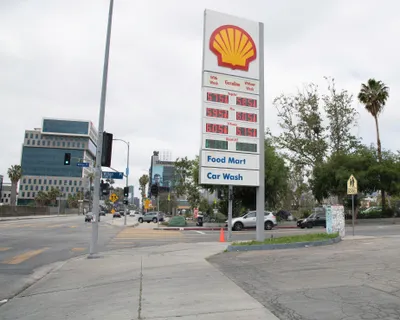
Effects of a State Gasoline Tax Holiday

We provide causal evidence that recent suspensions of state gasoline taxes in three states were mostly passed onto consumers at some point during the tax holiday in the form of lower gas prices: Maryland (72 percent of tax savings passed onto consumers), Georgia (58 percent to 65 percent) and Connecticut (71 percent to 87 percent). However, these price reductions were often not sustained during the entire holiday.

Effects of a State Gasoline Tax Holiday

Effects of a Federal Gas Tax Holiday

We estimate that suspending the federal gas tax from March to December 2022 would lower average gasoline spending per capita between $16 and $47, depending on geographic location and assumptions, but lower federal tax revenue by about $20 billion over that period.

Effects of a Federal Gas Tax Holiday

Projecting Medicaid’s Long Term Care Expenditures

PWBM estimates that Medicaid’s inflation adjusted expenditures on Long Term Care services will increase from $130 billion in 2020 (0.62 percent of GDP) to $179 billion in 2030 (0.71 percent of GDP). We project that Medicaid expenditures on Nursing Home and Home Health will increase 4.7 percent and 6.9 percent per year above inflation through 2030, respectively.

Projecting Medicaid’s Long Term Care Expenditures

Medicare Advantage Auto-Enrollment

PWBM estimates that auto-enrolling into a Medicare Advantage (MA) plan those who age into Medicare and fail to sign up for Medicare Fee-For-Service (FFS) or another MA plan would increase enrollment in the MA program by 1.4 million people in 2032 and increase federal outlays by $189 billion over the 2022-32 period. If we assume that in response to such a policy change people would lose the incentive to enroll in Medicare FFS and instead get automatically enrolled into a MA plan, enrollment would increase by 6.8 million people in 2032 and outlays would increase by $269 billion over the 2022-32 period.

Medicare Advantage Auto-Enrollment

Did Wages Keep Up With Inflation in 2021?

We estimate that increases in wage earnings in 2021 offset the higher cost of living due to inflation for most households with incomes between $20,000 and $100,000. Higher-income households saw their earnings rise by more than their cost of living, while the lowest-income households (below $20,000) saw their earnings rise by only one third of their increase in cost of living.

Did Wages Keep Up With Inflation in 2021?

Impact of Inflation by Household Income

We estimate that inflation in 2021 will require the average U.S. household to spend around $3,500 more in 2021 to achieve the same level of consumption of goods and services as in recent previous years (2019 or 2020). Moreover, we estimate that lower-income households spend more of their budget on goods and services that have been more impacted by inflation. Lower-income households will have to spend about 7 percent more while higher-income households will have to spend about 6 percent more.

Impact of Inflation by Household Income