


PDF Brief Brief
Coronavirus Crisis Demographics Living Arrangements
This legacy brief is available as a downloadable PDF.
This legacy brief is available as a downloadable PDF.
We present budgetary and distributional estimates for three potential versions of the lump-sum payment that President Trump announced earlier today. All three options increase the after-tax income of low income households the most. However, higher-income households have more children on average and would receive larger cash payments unless additional adjustments are made.

The economic downturn due to coronavirus has disproportionately harmed workers in the leisure and hospitality businesses, such as restaurants and bars—these workers tend to be less-educated and lower-income.

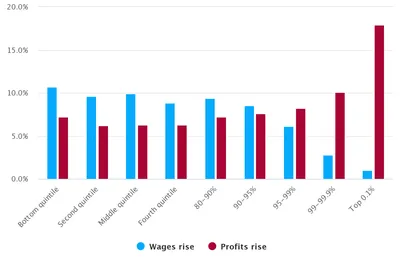
We expand our previous analysis of President Trump’s proposed payroll tax holiday by considering two scenarios for how the employer side of the tax cut would be distributed: either to the full benefit of business owners and corporate equity holders (“profits rise”) or to the full benefit of workers (“wages rise”). When profits rise, the top 1 percent of families by income receive about 29 percent of the total payroll tax cut, compared to about 4 percent of the total cut when wages rise.
This legacy brief is available as a downloadable PDF.
This legacy brief is available as a downloadable PDF.
This legacy brief is available as a downloadable PDF.